
If left untreated, an ingrown toenail can lead to more serious concerns, such as an infection. Knowing proper nail care can help in the prevention of an ingrown toenail. Give us a call, and get treated!
If left untreated, an ingrown toenail can lead to more serious concerns, such as an infection. Knowing proper nail care can help in the prevention of an ingrown toenail. Give us a call, and get treated!
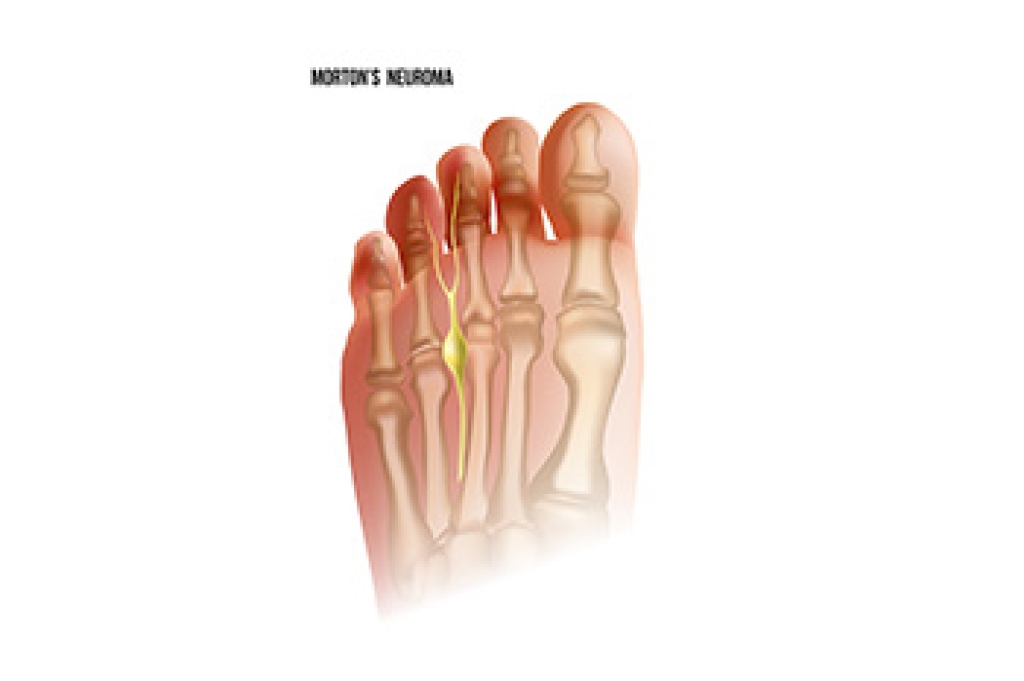
Morton’s neuroma is a painful condition involving irritated tissue around a nerve, usually between the third and fourth toes. Despite its name, it is generally not a true tumor. Symptoms can include burning, tingling, or sharp pain in the ball of the foot. Some people describe a pebble-like feeling beneath the forefoot. Pain may worsen while walking, standing, or wearing certain shoes. Recognizing these symptoms can help you seek care early.
Several factors can contribute to Morton’s neuroma. Wearing the wrong shoes, especially narrow or high-heeled footwear, can squeeze the toes and increase pressure surrounding the nerve. An abnormal foot structure, such as flat feet or high arches, can change weight distribution. High-impact sports involving running or jumping may also increase irritation. Other risk factors include repeated pressure on the ball of the foot and certain foot shapes.
A chiropodist starts by reviewing your symptoms, activities, and medical history. The foot is examined for tenderness and sensation changes. Imaging tests may be recommended to rule out other causes of forefoot pain. Treatment often begins with wearing wider, supportive shoes and limiting aggravating activities. A chiropodist may recommend custom orthotics or padding to reduce pressure on the nerve. If pain continues, treatment can include medication or an injection. Persistent cases may require surgery.
Early treatment makes walking more comfortable and reduces irritation. Watch for burning pain, numbness, or a feeling that something is stuck beneath the forefoot. Well-fitted shoes and reduced pressure support recovery. Your chiropodist can explain treatment choices based on symptom severity and location. If conservative care does not provide relief, other treatment may help. If you have pain in this part of your foot, it is suggested that you consult a chiropodist for effective relief and treatment solutions.
Morton's neuroma can be highly uncomfortable. If you are experiencing the symptoms of Morton's neuroma, please consult with one of the chiropodists from The Footcare Centre. Our chiropodists will assess your condition and provide you with quality foot and ankle treatment.
What Is a Morton’s Neuroma?
Morton’s neuroma is a condition in which a nerve located in the ball of the foot between the third and fourth toes thickens due to compression or irritation. Common causes of Morton’s neuroma include wearing shoes with high heels or narrow toe boxes, participating in running or court sports, an injury or trauma to the area, or pressure being placed on the nerve from foot deformities such as bunions or hammertoes. Left untreated, Morton's neuroma may result in permanent nerve damage.
Symptoms
Symptoms of Morton’s neuroma often start gradually and worsen over time. Typical symptoms include:
Treatment
Non-surgical treatments for this condition may include padding or icing the affected foot, wearing an orthotic device, modifying activities or shoes to reduce pressure on the foot, and taking medications or getting injections to reduce pain and inflammation. Surgery may be needed if non-surgical treatments are ineffective.
If you have any questions please feel free to contact our office located in Niagara Falls, ON .

Have you noticed a bony protrusion on the side of your big toe? If so, you may have developed the foot condition known as a bunion. Don't let bunions interfere with your daily activities.
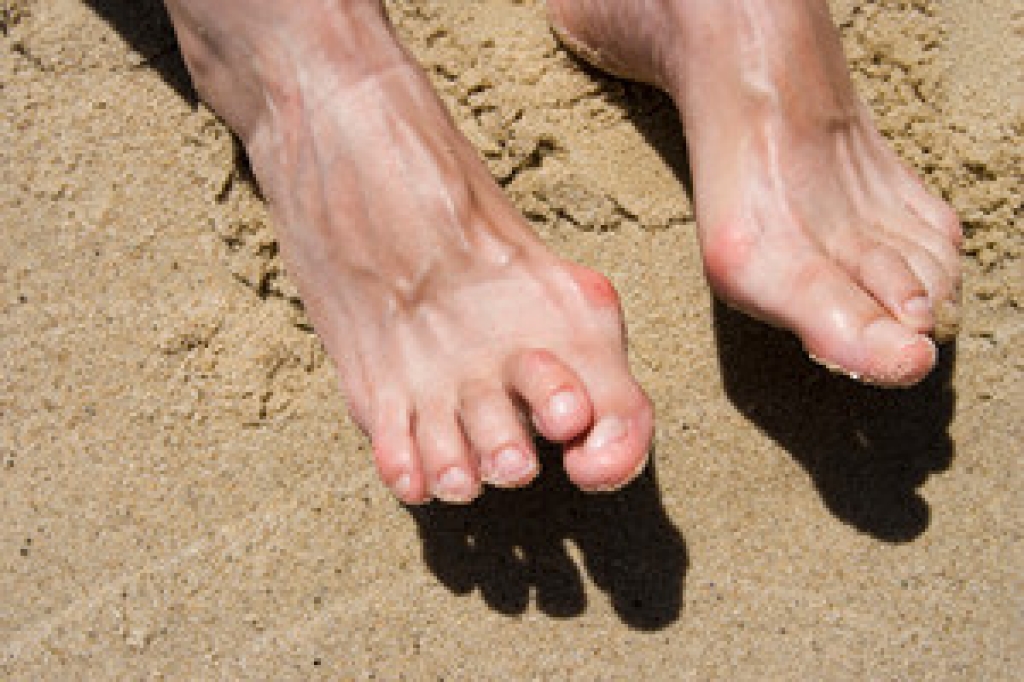
Hammertoe is a foot deformity that causes one or more toes to bend downward at the middle joint rather than remaining straight. It most often affects the second, third, or fourth toes and may develop gradually. Common symptoms include a visible bend, stiffness, and pain while walking. Some people experience discomfort only when wearing narrow shoes, while others develop ongoing pain that interferes with daily activities. Recognizing these symptoms early can help prevent the condition from becoming more difficult to manage.
Several risk factors can increase the likelihood of developing hammertoe. Wearing high heels or shoes with a narrow toe box can place repeated pressure on the toes and encourage abnormal positioning. Age may also contribute because the muscles, tendons, and joints can become less flexible. Certain neurological or muscular conditions may further affect muscle control and contribute to abnormal toe alignment.
Hammertoe often develops when the muscles and tendons responsible for controlling the toe become imbalanced. When this imbalance changes the position of the toe, repeated pressure from footwear can make the deformity worse. A flexible hammertoe may become increasingly stiff or rigid. Treatment depends on the severity of the deformity and whether the toe can still be moved into a straighter position. Early treatment may include wearing properly fitted shoes with adequate toe room, protective pads, and addressing underlying foot mechanics.
A chiropodist can evaluate the affected toe, assess its flexibility, and identify contributing factors. They can also recommend treatment based on the symptoms and overall foot health. Conservative care may provide relief when hammertoe is identified early, while more advanced treatment may be considered when the deformity becomes rigid or continues to cause significant pain. If you have a bent, painful, or increasingly stiff toe, it is suggested that you consult a chiropodist for an evaluation and a personalized hammertoe treatment plan before the condition becomes more difficult to manage.
Hammertoe is a common foot deformity in which one or more of the small toes bends downwards at the middle joint. Though it may seem like a purely cosmetic issue, this is not the case. Hammertoes can be uncomfortable, painful, and even debilitating in severe cases. If you suffer from hammertoe, please consult with one of the chiropodists from The Footcare Centre. Our chiropodists can help you maintain the health of your lower limbs and your mobility.
Symptoms
Diagnosis
A chiropodist can typically diagnose hammertoes through physical examination. X-rays may need to be taken to see the extent of the damage.
Treatment
Hammertoes tend to progressively worsen with time, so getting prompt treatment is very important. In its early stages, the progression of hammertoe can be slowed down or stopped. Your chiropodist may suggest changes in your footwear. Wearing wide, comfortable shoes with a larger toe area and a low heel can help you avoid putting pressure on your toes. You may also be prescribed orthotics. Over-the-counter medications or corticosteroid injections may be used to relieve pain. If you have any corns or calluses, your chiropodist may suggest padding them to avoid further irritation. In advanced cases, surgery may be suggested.
If you have any questions please feel free to contact our office located in Niagara Falls, ON .

Gout is a painful, inflammatory form of arthritis. Those affected will typically feel an intense stiffness in the joints of their feet, particularly in the big toe. Schedule a visit to learn about how gout can be managed and treated.
Connect With Us
